A retaining wall in Charlotte NC will run you anywhere from $3,000 for a short block wall to $25,000+ for a tall engineered structure with proper drainage. The range is wide because the variables are real — height, material, soil conditions, and access all move the number significantly.
We build retaining walls across Charlotte, Matthews, Waxhaw, Indian Trail, and the surrounding area every week. Here's what projects actually cost in 2026 — and what makes the price jump from one end of that range to the other.
Quick Answer: Price by Wall Type
Before we get into the details, here's where most Charlotte retaining wall projects land:
Segmental Block Wall — $3,000 to $8,000
The most common type in Charlotte. Concrete interlocking blocks (Allan Block, Versa-Lok, Belgard) stacked without mortar. Works well for walls under 4 feet. Clean, durable, and the most affordable option per linear foot.
Boulder/Natural Stone Wall — $6,000 to $18,000
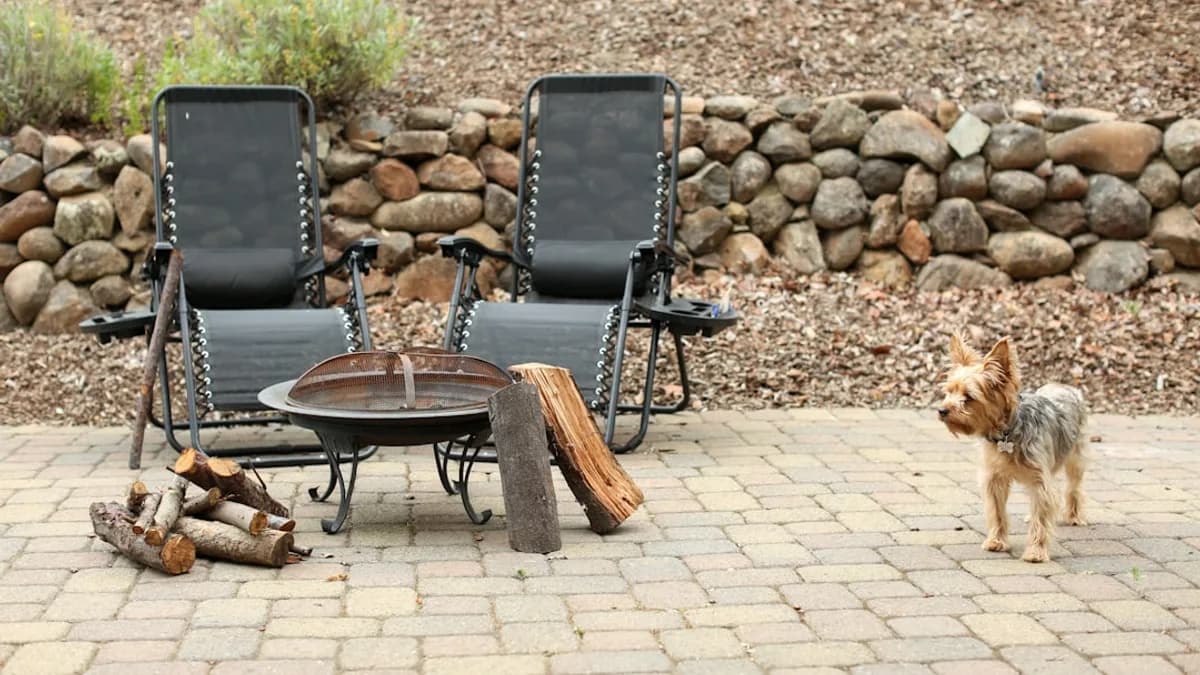
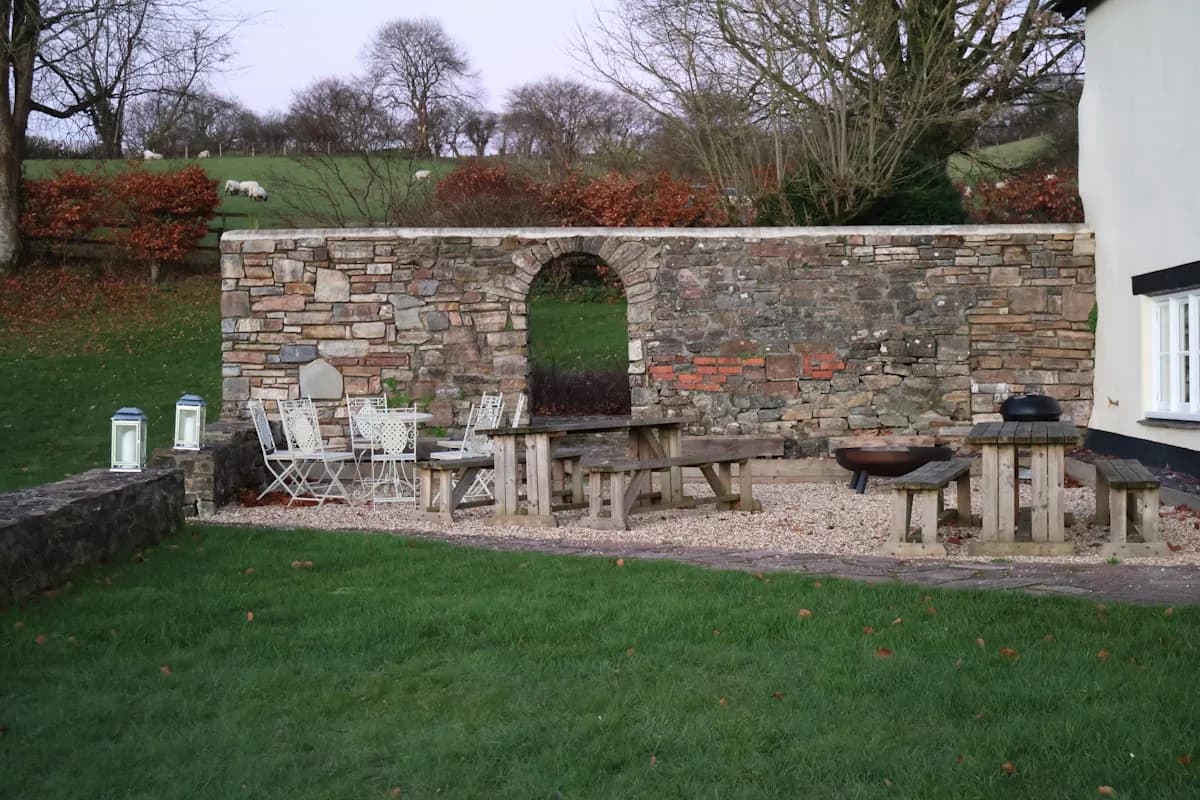
Large fieldstone or granite boulders stacked without mortar. More rustic, extremely durable, and better for naturalistic landscapes. Higher material and labor cost because of weight and placement precision required.
Engineered Concrete Block (Tall Walls) — $12,000 to $25,000+
Walls over 4 feet require engineering, permits, and geogrid reinforcement. These are significant structures — the kind that holds back a full hillside. They need to be built right, and that costs money.
What Drives the Price Up
Wall Height (The Biggest Factor)
A 2-foot wall and a 5-foot wall might look similar in a photo, but they are completely different projects. Taller walls need deeper footings, more material, more compaction effort, and above 4 feet — geogrid reinforcement that anchors back into the hillside. That geogrid installation alone adds significant time and cost.
The rule of thumb: every foot of additional height on a wall increases the cost by more than a proportional amount because of the added structural requirements.
Charlotte's Red Clay Soil
This is the piece most out-of-state pricing guides miss. Charlotte's Piedmont clay soil holds water like a sponge. When water builds up behind a retaining wall without an escape route, hydrostatic pressure pushes the wall forward — and eventually topples it.
Every retaining wall we build in Charlotte gets a drainage system: crushed gravel base, filter fabric to keep soil from migrating into the gravel, and a perforated pipe at the base that carries water away. This isn't optional. It's what separates a wall that lasts 40 years from one that leans and fails in 5.
Budget $800–$2,500 for drainage work on top of the wall itself, depending on the length and severity of your drainage situation.
Site Access
Can we drive a skid steer or mini excavator to your wall location? If yes, your labor costs stay reasonable. If the only access is through a narrow gate or over finished landscaping, crews have to hand-carry hundreds of blocks — and labor hours go up fast.
Tight side yards, existing fences, and slope access issues can add $1,500–$4,000 to a project that would otherwise be straightforward. We'll always flag this during the estimate walk.
Demolition of an Existing Wall
Replacing a failed or leaning wall? Add demolition and haul-away to your budget. Breaking up an old concrete block wall, loading it, and hauling it off typically adds $800–$2,500 depending on size. It's not glamorous, but it's a real line item in the quote.
Permits and Engineering
In Mecklenburg County, walls taller than 4 feet in exposed height generally need a building permit — and sometimes a structural engineer's stamp. Permit fees run $200–$600 depending on the project scope. Engineering fees, if required, add another $500–$1,500.
Skip the permit on a wall that legally requires one and you're looking at fines, mandatory removal, and rebuilding at your own cost. We pull permits when they're required. It's not worth cutting that corner.
Material Breakdown: What You're Actually Paying For
Segmental Concrete Block
This is what most Charlotte homeowners picture when they think retaining wall — the clean, stacked concrete block look. Brands like Belgard, Techo-Bloc, and Allan Block are what we use most. The material runs $4–$10 per block depending on size, and each block covers roughly 0.5–1 square foot of wall face.
Pros: affordable, consistent look, easy to source locally, handles freeze-thaw well. Cons: not the most natural appearance, and cheaper blocks can look flat without the right cap details.
Total installed cost: $20–$35 per square foot of wall face.
Natural Boulder Walls
If you want a wall that looks like it's always been there, natural boulders are the answer. We source granite and fieldstone through local Charlotte-area suppliers — the same rock that comes out of the Piedmont region. These walls are heavy, permanent, and have a naturalistic quality that manufactured block just can't match.
The trade-off is cost. Moving, placing, and fitting boulders is skilled, time-intensive work. Total installed cost: $35–$55 per square foot of wall face, higher for larger boulders.
We build boulder walls across the Charlotte metro — check out our boulder wall service page for examples and pricing details.
Poured Concrete Walls
Less common in residential Charlotte but used for very tall walls or commercial applications. Requires forms, rebar, and significant concrete work. Most homeowners in Matthews, Waxhaw, and Indian Trail go with segmental block instead — better aesthetics, easier repair if ever needed, and comparable strength for typical residential heights.
Warning Signs in a Retaining Wall Quote
Not all retaining wall quotes are equal. Here's what to watch for:
No drainage mentioned: Any contractor who quotes a retaining wall without discussing drainage in Charlotte is either cutting corners or doesn't understand our soil. Walk away.
No base preparation: The wall needs a compacted gravel base — minimum 6 inches for short walls, more for taller ones. If the quote doesn't mention base preparation, you're getting a wall that'll shift.
Quote over the phone without seeing the site: Wall cost depends entirely on your specific slope, soil, access, and existing conditions. A quote without a site visit is a guess, not a number you can budget around.
Significantly lower than everyone else: In retaining wall work, a low quote almost always means thinner base, skipped drainage, or no geogrid on a wall that needs it. You'll pay twice — once for the cheap wall, once to rebuild it right.
What to Expect During a Retaining Wall Project
Here's how a typical retaining wall build goes in Charlotte:
Day 1 — Excavation: We dig out the base trench, grade the soil, and create a level starting point. Heavy clay needs to come out and be replaced with compacted gravel.
Day 1–2 — Base course: The first course of block is partially buried and must be perfectly level. This is the most important step — a crooked base course means a crooked wall. We take our time here.
Day 2–3 — Building up: Block by block, working up from the base. On taller walls, geogrid layers get pinned between courses at specific intervals. The drainage gravel goes in behind the wall as we build.
Final day — Cap, drainage, and cleanup: Cap blocks seal the top, drain pipe gets connected to its outlet, and the finished grade gets restored. We haul off all excavated material and construction debris.
Most residential retaining walls in Charlotte take 2–5 days depending on length and complexity.
Get a Real Number for Your Property
Online estimates only go so far. Your actual cost depends on your slope, your soil, your access, and what you need the wall to do. The only way to get a reliable number is a site visit.
We offer free on-site consultations across the Charlotte metro — Charlotte, Matthews, Waxhaw, Indian Trail, Concord, Mint Hill, Cornelius, Huntersville, and surrounding areas. We'll walk your property, look at the slope and drainage situation, and give you a real quote with a real timeline.
Request a free quote here or call us directly at (704) 724-1940. If you want to see completed wall projects first, browse our retaining wall service page for pricing tiers and photos.
Frequently Asked Questions
How much does a retaining wall cost in Charlotte NC?
Most retaining wall projects in Charlotte run between $3,000 and $25,000 depending on size, material, and site conditions. A short segmental block wall (2–3 feet tall, 20 linear feet) typically falls in the $3,000–$6,000 range. A taller engineered wall with drainage and permits can reach $15,000–$25,000+. Charlotte's red clay soil always requires a gravel drainage base, which adds cost but is non-negotiable.
Do I need a permit for a retaining wall in Charlotte NC?
In Mecklenburg County, retaining walls over 4 feet in exposed height typically require a building permit and may need a structural engineer. Walls under 4 feet generally don't need permits but still need proper base preparation and drainage. HOA approval is separate — many Charlotte neighborhoods require architectural review regardless of wall height.
What is the cheapest type of retaining wall?
Segmental concrete block (like Allan Block or Versa-Lok) is typically the most affordable option at $20–$35 per square foot installed. It's also the most common in Charlotte because it handles our soil conditions well, doesn't require mortar, and has a clean look that fits most residential properties.
How long does a retaining wall last in Charlotte NC?
A properly built retaining wall with adequate drainage should last 25–50 years. The drainage is what kills walls prematurely in Charlotte — our clay soil holds water, which builds hydrostatic pressure behind the wall. Without a gravel base, filter fabric, and drain pipe, even a well-built wall will fail within 5–10 years.