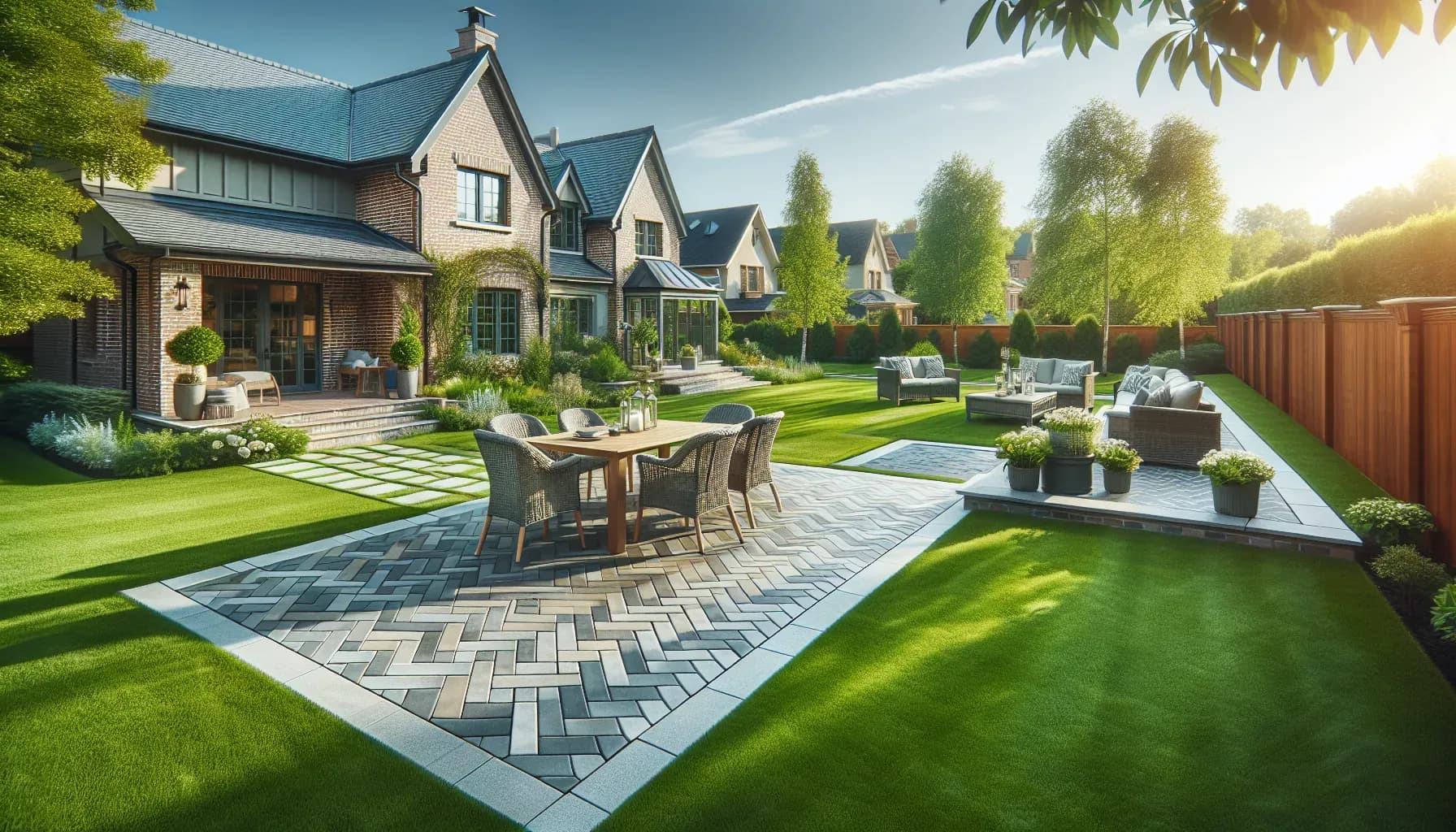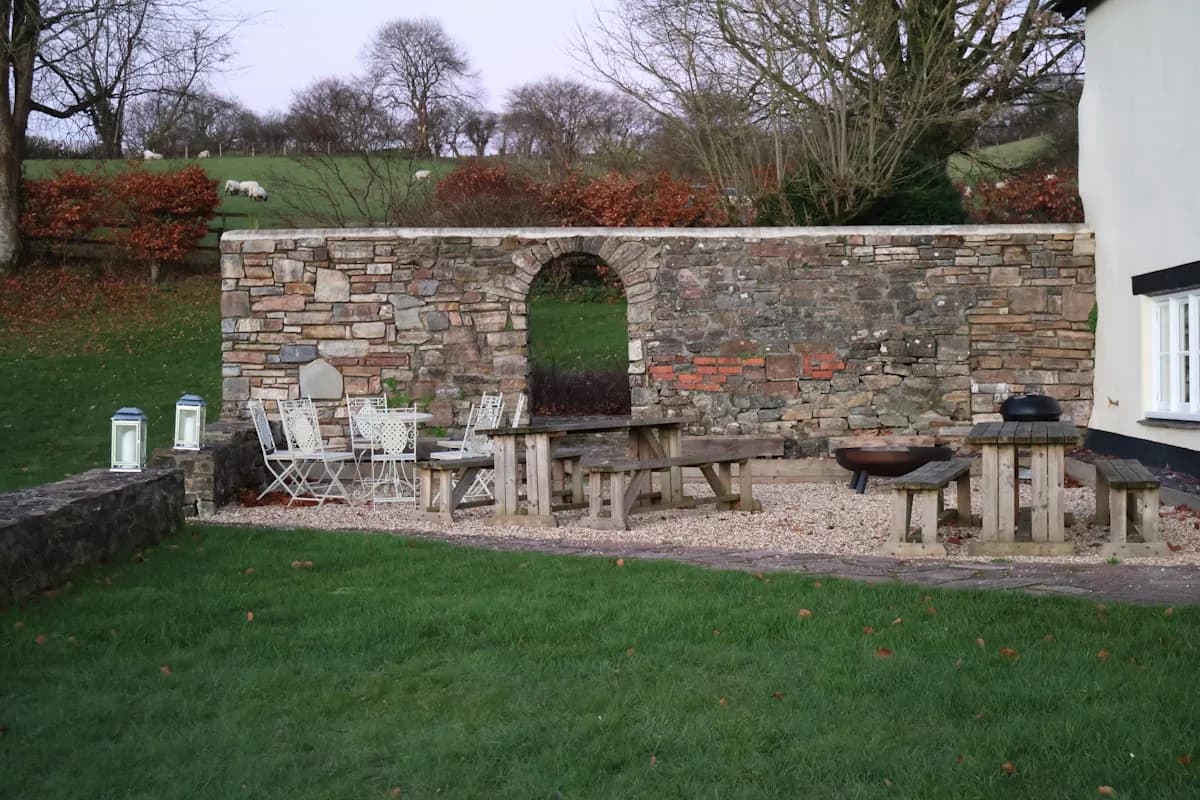
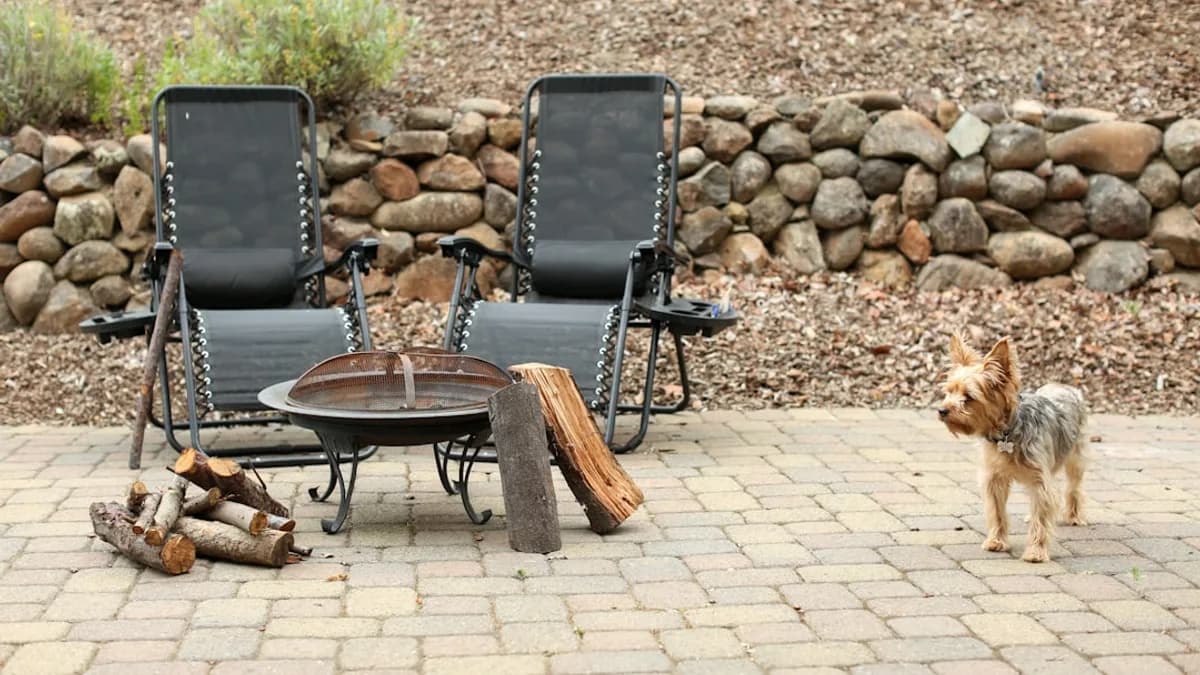
A properly installed paver patio lasts 25–50 years — and in many cases, even longer. The pavers themselves are nearly indestructible. It's what's underneath them that determines whether your patio looks great for decades or starts sinking after a few seasons. Here in Charlotte NC, that means dealing with our Piedmont red clay soil, summer downpours, and winter freeze-thaw cycles — all of which put your patio's base to the test.
We've been installing paver patios across Charlotte — Ballantyne, SouthPark, Myers Park, Steele Creek, and out through Waxhaw and Indian Trail — and the difference between a patio that lasts 15 years and one that lasts 50 comes down to installation quality. Let's break down exactly what affects lifespan and how to maximize yours.
Why Pavers Outlast Poured Concrete
Poured concrete slabs are rigid. When the ground shifts — and in Charlotte, it shifts constantly thanks to our heavy clay — rigid slabs crack. Once a crack starts, water gets in, freezes in winter, and the crack grows. Within a few years, you're looking at a spider web of damage across the entire surface.
Pavers work differently. Each individual unit is small and interlocking, which means the surface flexes with the ground instead of fighting it. Charlotte gets roughly 40–50 freeze-thaw cycles per winter — enough to destroy a poorly poured slab, but well within what a quality paver installation handles without breaking a sweat.
This flexibility is why the Interlocking Concrete Pavement Institute rates properly installed pavers at 50+ years of service life. Concrete slabs? Typically 15–25 years before major cracking requires resurfacing or full replacement.
The Base Is Everything (Especially in Charlotte)
Charlotte sits on Piedmont red clay — one of the most challenging soil types for hardscaping. Clay expands when wet and contracts when dry, creating a constant push-pull under your patio. Without a properly engineered base, that movement translates directly to the surface: uneven pavers, pooling water, and joints that open up and fill with weeds.
A professional installation in our region requires:
- Excavation to stable subsoil — typically 8–12 inches deep depending on the specific soil conditions at your property
- Geotextile fabric — laid over the subsoil to prevent clay from migrating up into the base material over time
- 6–8 inches of compacted crushed stone — installed in lifts (layers) and compacted with a plate compactor at each stage
- 1 inch of leveling sand — screeded perfectly flat for the paver bed
- Proper slope for drainage — minimum 1% grade away from your home's foundation
Skip any of these steps and your patio's lifespan drops dramatically. A shortcut on the base is the number one reason patios fail prematurely in our area. The pavers on top might look identical — it's what you can't see that makes the difference.
Material Matters: How Long Each Paver Type Lasts
Not all pavers are created equal. Here's what you can expect from the most common materials we install in Charlotte:
Concrete Pavers — 25–50 Years
The most popular choice in Charlotte. Modern concrete pavers are manufactured under extreme pressure and heat, making them incredibly dense and durable. Color-through pavers (where the color goes all the way through, not just the surface) resist fading better in our strong North Carolina sun. Expect some surface wear after 20+ years, but the structural integrity holds for decades.
Natural Stone Pavers — 50–100+ Years
Bluestone, travertine, and granite pavers are essentially indestructible. These are the materials you see in European plazas that have lasted centuries. They cost more upfront — typically $25–$40 per square foot installed — but they'll outlast the house. Natural stone develops a beautiful patina over time that most homeowners love.
Brick Pavers — 25–40 Years
Clay brick pavers offer a classic look that fits Charlotte's traditional neighborhoods. They're highly resistant to fading since the color is natural to the clay. The trade-off: they're slightly more prone to chipping than concrete pavers and can absorb water, which makes them vulnerable to freeze-thaw damage if not properly sealed.
Charlotte Climate Factors That Affect Paver Lifespan
Our Piedmont climate is harder on patios than most homeowners realize. Here's what's working against your patio year-round:
- Red clay soil movement — Charlotte's clay expands up to 10% when saturated and shrinks when dry. This seasonal cycle creates heaving and settling pressure under your patio.
- Freeze-thaw cycles — We average 40–50 cycles per winter. Water seeps into joints and base material, freezes, expands, and loosens the system over time.
- Heavy summer rainfall — Charlotte gets about 43 inches of rain annually. Poor drainage under a patio leads to base erosion and settling.
- UV exposure — Our summers are intense. Unsealed concrete pavers can fade noticeably within 5–7 years of direct southern exposure.
- Tree roots — Charlotte's mature hardwood canopy is beautiful, but oak and maple roots will push under a patio if the base isn't deep enough.
How to Make Your Paver Patio Last 50+ Years
The good news: most of the lifespan equation is within your control. Here's the maintenance playbook we give every client:
- Seal every 2–3 years. A quality penetrating sealer protects against UV fading, staining, and weed growth. We recommend water-based sealers for Charlotte's humidity — they let moisture escape instead of trapping it.
- Keep the joints filled. Polymeric sand hardens in the joints to prevent weed growth and ant hills. It breaks down over time, especially after heavy rains. Re-sand joints every 3–5 years.
- Pressure wash annually. Algae, mildew, and dirt build up fast in Charlotte's humid summers. A gentle pressure wash (under 2,000 PSI) once a year keeps the surface clean without damaging the pavers or blowing out joint sand.
- Fix drainage issues immediately. If you see water pooling on the patio after rain, address it before the base erodes. A small drainage correction now prevents a major repair later.
- Replace damaged pavers promptly. A cracked paver lets water into the base. Pop it out, replace it, and re-sand the joint. It's a 20-minute fix that prevents much bigger problems.
- Avoid deicing chemicals. Rock salt and chemical deicers can stain and erode pavers. Use sand for traction on icy days instead.
Signs Your Patio Needs Professional Attention
Even a well-built patio can develop issues over the years. Watch for these warning signs:
- Pavers sinking or becoming uneven in spots
- Water pooling instead of draining away
- Widening gaps between pavers
- Persistent weed or moss growth despite re-sanding
- Efflorescence (white chalky deposits on the surface)
- Pavers rocking or shifting when stepped on
Most of these are fixable without replacing the entire patio. A professional can lift the affected area, re-compact the base, and relay the pavers — often in a single day.
Pavers vs. the Competition: Lifespan Comparison
The upfront cost of pavers is higher, but the total cost of ownership over 25+ years is almost always lower. You won't be tearing out and replacing a paver patio the way you will with a concrete slab or wood deck.
Get a Patio That Lasts in Charlotte NC
The lifespan of your paver patio starts with the installation. Cut corners on the base and you'll be making repairs within 5 years. Do it right — proper excavation, compacted stone base, geotextile fabric, and quality pavers — and you'll have an outdoor living space that lasts longer than your mortgage.
Ready to build a patio that stands the test of Charlotte's climate? Get a free estimate from Alex's Lawnscape — we'll walk your property, assess your soil, and build a patio designed to last decades, not just seasons.
Frequently Asked Questions
How long do paver patios last in Charlotte NC?
A properly installed paver patio in Charlotte NC lasts 25–50 years, and sometimes longer. The key is a compacted gravel base deep enough to handle our Piedmont red clay soil, proper drainage, and polymeric sand in the joints. Without those, settling and shifting can shorten the lifespan to 10–15 years.
Do pavers crack in Charlotte's freeze-thaw cycles?
Individual pavers rarely crack from freeze-thaw alone. Unlike poured concrete slabs, pavers are interlocking — they flex slightly with the ground instead of fighting it. Charlotte typically sees 40–50 freeze-thaw cycles per winter, which is enough to crack rigid concrete but not well-installed pavers. The joints absorb the movement.
How often should I seal my paver patio?
Every 2–3 years is the sweet spot for Charlotte. Sealing protects against UV fading, stains, and weed growth between joints. If your patio gets full afternoon sun or heavy foot traffic, lean toward every 2 years. Shaded patios can go closer to 3–4 years between sealings.
Can you replace a single damaged paver without redoing the whole patio?
Yes — that's one of the biggest advantages pavers have over poured concrete. A cracked or stained paver can be popped out and replaced individually without disturbing the rest of the surface. We keep extra pavers from every installation for exactly this reason. The repair is invisible when done right.